The History of the Sagalla People
A journey through time, from our earliest ancestors to the present day.
The Roots of a People
The history of the Sagalla people, like that of many Bantu communities, is a rich tapestry woven from threads of migration, settlement, conflict, and adaptation. Oral traditions, passed down through generations, form the bedrock of our historical understanding, telling of a journey from a mythical northern homeland called "Shungwaya." These stories are complemented by archaeological evidence and written records from missionaries and colonial administrators, which together paint a picture of a resilient community shaping its destiny in the stunning Taita Hills.
Our identity is intrinsically linked to the land we inhabit. The hills have provided refuge, sustenance, and a spiritual home. This timeline explores the key milestones that have defined the Sagalla people's journey.
Our Historical Timeline
c. 16th - 18th Century: The Great Migration
Following pressures in the north, our ancestors began migrating south. The Sagalla, as part of the larger Taita-speaking groups, traveled until they found the defensible and fertile Taita Hills. They settled in fortified villages, developing a unique culture and social structure based on clans (vichuku).
19th Century: A Time of Trade and Turmoil
The 19th century brought increased contact with the outside world. The Taita Hills became a crucial stop on the Swahili-Arab caravan trade routes between the coast and the interior. While this brought new goods and ideas, it also led to conflict, including raids by Maasai warriors and slave traders, forcing our people to become skilled defenders of their homeland.
Late 19th Century: Arrival of Europeans
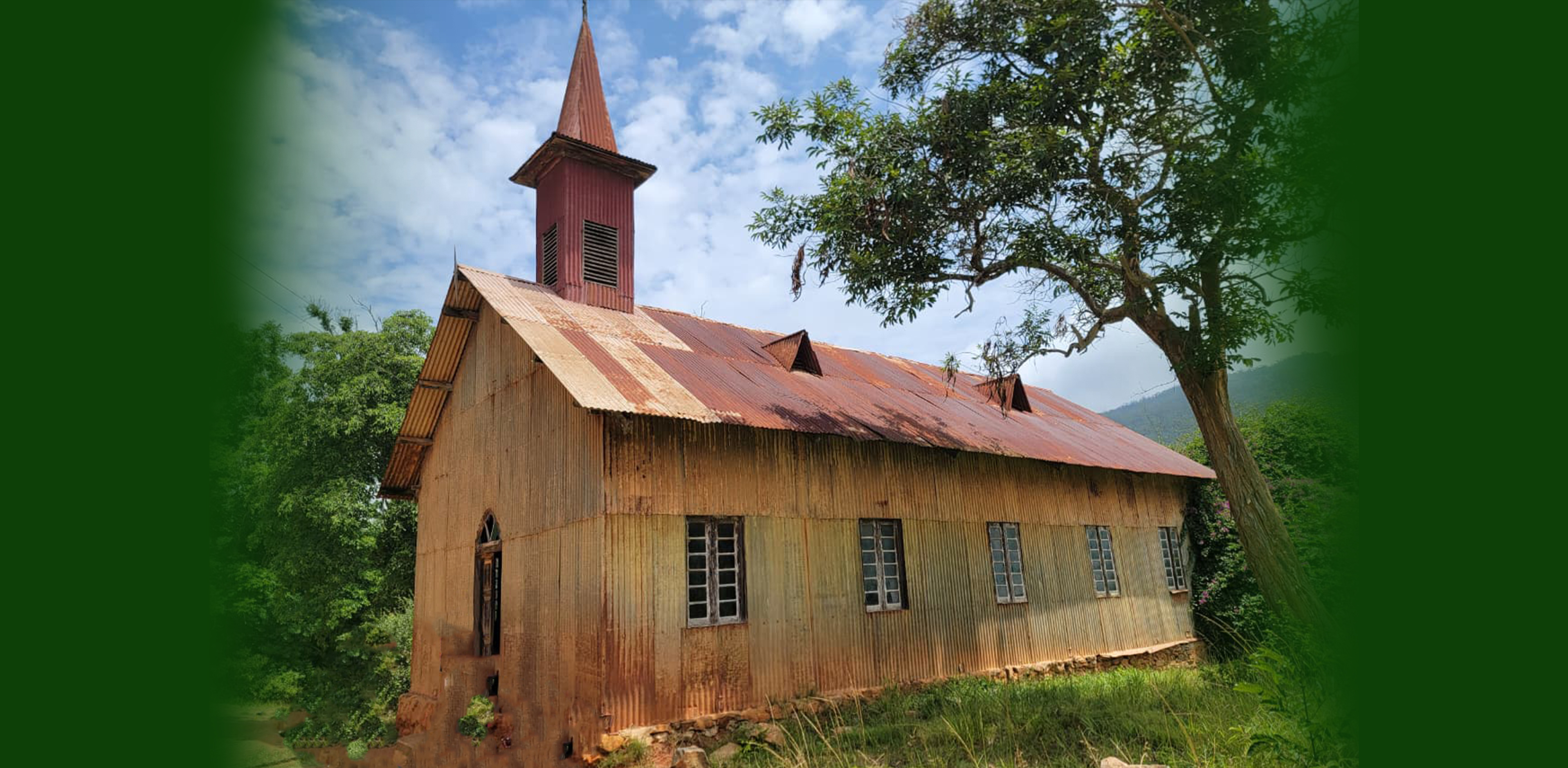
The arrival of European missionaries, explorers, and eventually colonial administrators marked a significant turning point. Rev. Joseph Wray of the Church Missionary Society established a mission in Sagalla, introducing Christianity and Western education. This began a period of profound cultural change and the start of colonial rule under the British East Africa Protectorate.
20th Century: Colonial Rule and Resistance
Life under British rule brought new challenges, including land alienation, taxation, and forced labor. However, the Sagalla people, like many Kenyans, found ways to resist and adapt. Many participated in the growing nationalist movement that would eventually lead to Kenya's independence. The Wray Museum, established later, houses many artifacts from this complex period.
1963 - Present: Independence and Modern Era
With Kenya's independence in 1963, the Sagalla community became part of a new nation. The post-colonial era has been one of continued development, with a focus on education, agriculture, and community-led initiatives. While embracing modernity, we continue to cherish and preserve the language, customs, and traditions that define us.